
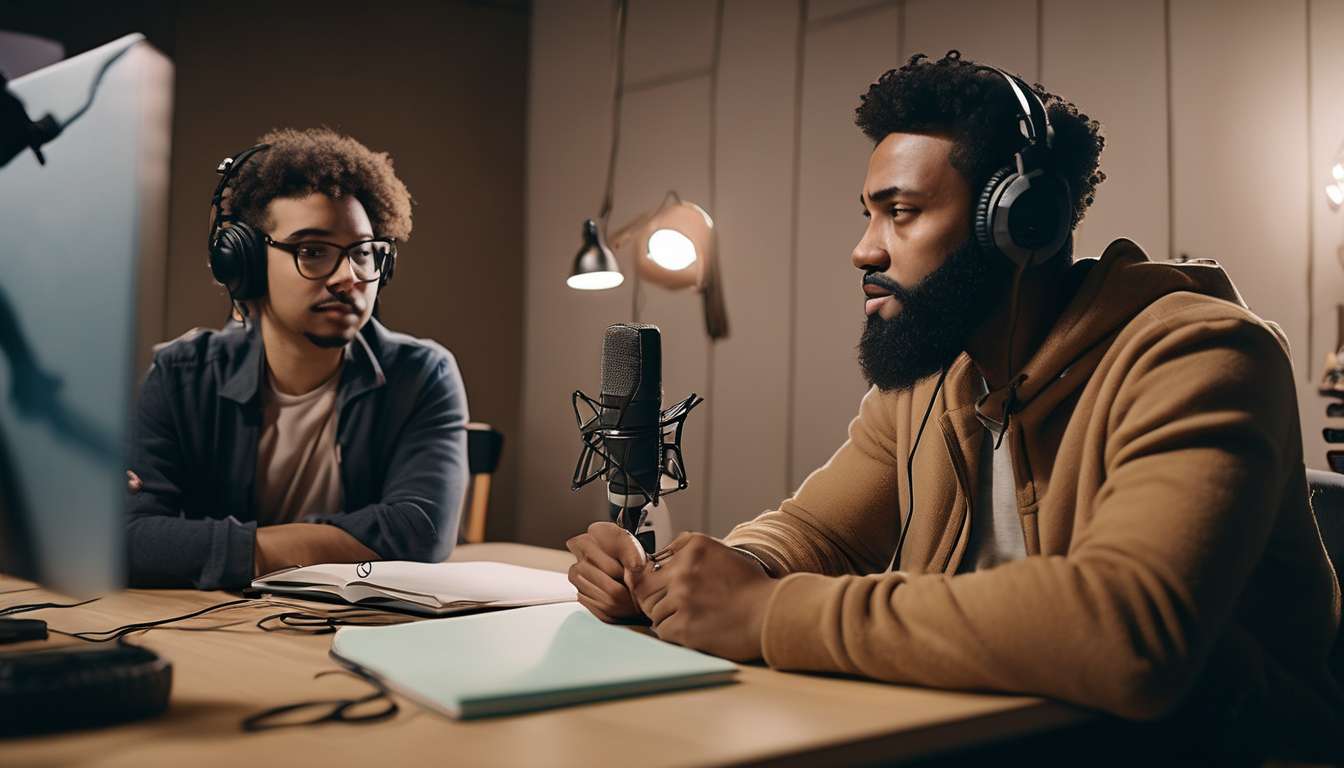
Creator interviews bring workplace issues into adult media coverage
On the surface, creator interviews resemble traditional celebrity profiles, but beneath that glossy veneer they function more like workplace exposés for the digital age.
We approach these conversations expecting anecdotes about inspiration and craft, yet we often uncover labor disputes, power imbalances, and undocumented practices that mirror — and sometimes magnify — problems in conventional media industries.
By listening to creators speak candidly about contracts, harassment, algorithmic pressure, and unpaid labor, we gain direct evidence of systemic issues that employers and platforms might prefer remain anecdotal.
In this article, we trace how interview formats, editorial choices, and audience response shape which workplace concerns enter mainstream adult media coverage and which are filtered out.
We argue that these interviews not only reveal individual hardships but also catalyze collective awareness, influencing policy debates and platform accountability.
Together, we examine the responsibilities of journalists, creators, and audiences in transforming personal testimony into meaningful industry reform.
Interview formats exposed
We break down the interview formats we encounter most often, explain how each shapes the conversation, and show what they reveal about workplace issues.
Structured sit-downs
- Creator interviews with prepared questions let us trace timelines.
- They help corroborate details and point to patterns that suggest gaps in platform accountability.
- Best when we want clear context and verifiable reporting.
Conversational panels
- Participants build on one another’s experiences, creating space for solidarity.
- This format surfaces systemic concerns without singling out individuals.
- Useful for revealing collective patterns and shared workplace dynamics.
Closed, off-the-record briefings
- Let us protect sources while mapping recurring reports of workplace harassment.
- Enable gathering information that may require formal follow-up or investigation.
- Appropriate when anonymity is necessary for safety or legal reasons.
Live-streamed Q&A
- Centers immediacy and community response.
- Can complicate verification and risk retraumatizing speakers if not moderated thoughtfully.
- Requires careful planning to balance engagement with safety and accuracy.
Across formats, we prioritize:
- Consent.
- Clarity about publication.
- Pathways to support for participants.
By selecting the right format for the story and audience, we can:
- Amplify voices responsibly.
- Hold platforms to account.
- Foster a sense of belonging among creators sharing difficult truths.
Power dynamics revealed
Many interviews reveal how unequal power — between producers, platforms, and individual creators — shapes who speaks, who gets heard, and who faces consequences.
We see in creator interviews how gatekeepers control visibility, resources, and narratives, and how that control affects safety and trust.
When someone raises concerns, they risk silencing, blacklisting, or retaliation that isn’t evenly distributed.
We’re learning to distinguish individual stories from structural patterns, and to demand platform accountability for policies and responses that protect everyone, not just high-profile figures.
We want spaces where disclosures about workplace harassment are met with clear processes, supportive communities, and real remedy, not blame or invisibility.
By centering lived testimony, we build solidarity across roles and backgrounds, making collective action possible.
We’re calling for transparency around decision-making and appeals, so creators know their rights and options.
These conversations don’t just document harm; they map paths toward safer, more equitable practices that include and sustain us all.
Labor and compensation
Many creators report pay uncertainty, opaque contracts, and unpaid labor as barriers to sustaining a career in the industry.
- Creators describe delayed payouts, shifting revenue splits, and vague contract terms.
- These practices leave people scrambling to make ends meet and push many out of the field.
- By naming these challenges publicly, we build community and support for clearer standards that let more people belong and thrive.
We call for platform accountability, transparency, and timely compensation.
- Platforms should not be able to change compensation rules arbitrarily from week to week.
- We want transparent contracts, timely payments, and accessible grievance processes that respect creators’ time and labor.
- Addressing economic precarity must include mechanisms for enforcement and predictable pay schedules.
We acknowledge the intersection of workplace harassment and economic insecurity.
- Unstable pay makes it harder for survivors to speak up or leave harmful situations.
- Protections must include safe reporting channels and safeguards against retaliation tied to income loss.
We demand structural reforms that center fairness and dignity.
- Support unions and collective bargaining to strengthen creators’ negotiating power.
- Develop model contracts that set clear, fair baselines for pay and rights.
- Implement public reporting on platform practices and payouts for accountability.
These steps are not charity — they are essential reforms.
- Fair compensation, transparent contracts, and accountable platforms are necessary to make adult media a sustainable, inclusive space for everyone.
Harassment on record
Many of us have kept detailed records of harassment—messages, call logs, payment histories—so we can document patterns, support survivors, and pursue accountability.
In creator interviews we hear the same through lines: timelines, screenshots, and transaction records that make workplace harassment visible.
We collect evidence not just for legal steps but to validate experiences within our communities, to show others they aren’t isolated.
We’re careful to preserve context and consent when sharing records, balancing transparency with respect for privacy.
We use documented incidents to shape safer practices, to train peers in boundary-setting, and to build supportive networks that center survivors’ needs.
When we speak about these records, we aim to create belonging: clear procedures for reporting, accessible guidance on preserving digital traces, and mutual aid for those navigating consequences.
Keeping harassment on record transforms scattered incidents into a coherent case for change, strengthens solidarity among creators, and lays groundwork for broader conversations about platform accountability without substituting for direct advocacy.
Platform accountability
We expect platforms to respond transparently and promptly when we report abuse, and to build systems that prevent harm rather than merely react to it.
We need clear reporting pathways, accountable timelines, and feedback so everyone feels seen and safe.
Creator interviews have exposed gaps where platforms sidestep responsibility, leaving creators unsure whether complaints will be taken seriously or buried by bureaucracy.
We want platform accountability that centers community well-being:
- Consistent enforcement across users and cases.
- Independent review options so decisions can be reassessed outside internal processes.
- Remediation that restores trust for those harmed.
When workplace harassment arises, platforms should:
- Preserve evidence to enable fair investigations.
- Protect complainants from retaliation through clear safeguards.
- Enforce policies evenly, avoiding vague denials or selective action.
We also expect platforms to invest in measures that reduce future harm:
- Training for staff and moderators.
- Improved moderation tools.
- Policy clarity so expectations and consequences are understood.
As a community, we’ll keep pushing for transparency, shared governance, and measurable commitments.
Creator interviews give us the stories; platform accountability converts those stories into systemic change that includes everyone and reduces harm in the long term.
Editorial selection bias
Many outlets prioritize sensational stories or well-known names, and that skews which creator experiences get told and which get ignored.
We notice editorial selection bias when editors chase virality over nuance.
- This results in many creators—especially those from marginalized backgrounds—not seeing their workplace harassment stories amplified.
We want inclusion, so we push for clearer criteria:
- Who qualifies for creator interviews.
- Why certain accounts serve the public interest.
- How to balance notoriety with representativeness.
We also call for transparency about sourcing and decision-making, so communities know when coverage choices protect brands rather than people.
That transparency ties directly to platform accountability:
- When outlets name platforms or policies, they pressure companies to act.
We believe consistent, equitable selection practices create safer reporting norms and let more creators contribute to the record on workplace harassment.
By advocating fair editorial standards, we build trust and strengthen solidarity across the adult media ecosystem.
Audience impact
Goal: Assess how coverage shapes audience perceptions and behaviors so reporting protects people rather than simply provoking clicks.
Approach: We want readers to feel seen and included while explaining how creator interviews influence norms and actions.
Impact of firsthand accounts
- When we feature firsthand accounts, audiences often mirror language, expectations, and empathy.
- Those narratives can either normalize silence or galvanize support.
Responsibility and lens
- Platform accountability becomes a lens through which communities judge safety and trust.
- We will present creator interviews that center consent, corroboration, and context so audiences can distinguish genuine concerns from sensationalism.
Benefits of clear reporting
- Clear reporting reduces rumors and helps collective decision-making about who to follow and support.
Ripple effects of disclosures
- Workplace harassment disclosures change engagement, donations, and collaboration patterns.
- By measuring responses and avoiding exploitative framing, we help foster a caring network that:
- Prioritizes survivors.
- Holds platforms to account.
- Keeps community bonds strong.
Paths to reform
To chart practical paths to reform, we outline policy changes, community-led standards, and enforcement mechanisms that creators, platforms, and audiences can implement together.
Clear reporting channels informed by creator interviews
- Guarantee confidentiality.
- Ensure timely response.
- Provide follow-up so survivors and bystanders feel supported and heard.
Contractual minimums to reduce ambiguity
- Standard clauses on consent.
- Safety protocols.
- Dispute-resolution procedures.These clauses uplift collective expectations and set baseline protections.
Platform accountability
- Publish transparent moderation metrics.
- Submit to independent audits.
- Provide accessible appeals with clear consequences for violations.
Community-led standards committees
- Diverse membership reflecting lived experience.
- Draft norms and offer restorative options alongside sanctions.These committees center community trust and adaptability.
Training resources developed with creators
- Prevent workplace harassment.
- Normalize boundaries.
- Teach power-aware practices.
Shared funding models for support
- Legal aid pooled across communities.
- Accessible mental-health services.This ensures no one faces reporting alone.
Together, these measures build belonging while creating enforceable, practical reforms that creators, platforms, and audiences can trust and act on.
How can individual creators protect their legal rights if they decide to speak publicly about workplace abuses without a union or lawyer?
Document everything. Keep copies of messages, dates, and witness names. Preserve electronic files and make backups in secure locations.
Avoid sharing unverified claims. Limit public disclosure to verifiable facts and firsthand experiences rather than rumors or speculation.
Use anonymous or pseudonymous channels when needed. Choose secure platforms and be mindful of metadata that could identify you.
Consider nondisclosure agreements (NDAs) carefully. Understand what the NDA permits and prohibits before speaking; seek advice if unsure.
Seek legal guidance and support before posting.
- Consult free legal aid clinics or pro bono attorneys.
- Contact advocacy groups that handle workplace abuse.
- Use reputable online resources for preliminary guidance.
Support each other through safe networks. Share resources, verify information collaboratively, and coordinate steps through trusted channels.
What are the mental-health resources and best practices for journalists and creators who repeatedly cover or relive traumatic workplace stories?
Prioritize mental health when repeatedly covering or reliving traumatic workplace stories.
Set boundaries and limit exposure.
- Establish clear limits on how much trauma-related content you handle in a shift.
- Rotate assignments to reduce prolonged exposure to similar traumatic material.
Use supportive structures.
- Implement peer support and regular supervision.
- Provide trauma-informed training for all staff.
- Seek therapy or counseling that specializes in secondary trauma when needed.
Practice personal coping strategies.
- Use grounding techniques during or after difficult shifts.
- Maintain regular self-care routines (sleep, nutrition, exercise).
- Create clear off-hours routines to separate work from personal time.
Advocate for organizational policies that protect staff.
- Request routine debriefings after traumatic incidents.
- Push for caseload limits to prevent overload.
- Ensure access to mental-health days and related supports so everyone feels supported.
How do tax, contract, and immigration issues uniquely affect creators when they try to negotiate safer or fairer working conditions?
Overview — unique challenges creators face when negotiating safer or fairer working conditions
Tax rules often penalize independent status. Creators classified as independent contractors can face higher tax burdens, limited access to benefits (healthcare, unemployment), and complex reporting requirements that discourage raising safety concerns or pushing for better conditions because doing so risks reclassification or audits.
Contract language is frequently opaque and one-sided. Many creators receive short, boilerplate contracts that obscure rights, safety clauses, and dispute mechanisms. This opacity reduces bargaining power because creators may not know what protections they already have, what they should demand, or how to enforce terms without legal help.
Immigration rules limit bargaining power and mobility. Migrant creators on work visas or temporary permits often cannot easily change employers, refuse unsafe assignments, or demand improvements without risking visa status, deportation, or future eligibility. This creates leverage for employers to resist safer conditions.
Combined effect: constrained leverage and increased risk. When taxes, contracts, and immigration interact, creators—especially freelancers, migrants, and small teams—face compounded barriers: they may lose income for asserting rights, jeopardize visas by contesting employers, or incur prohibitive legal/financial costs to pursue disputes.
Proposed supports and solutions
-
Pooled legal and financial supports
- Creation of community legal funds to provide low-cost or pro bono contract review, dispute representation, and tax advice tailored to creators.
- Collective insurance and emergency funds to cover income gaps, legal fees, or visa-related expenses when asserting safety or contractual rights.
-
Clear, standard contracts
- Develop sector-specific standard contract templates that include explicit safety clauses, enforceable dispute-resolution steps, and transparent payment terms.
- Accessible plain-language guides and checklists to help creators understand key contract terms and red flags before signing.
-
Policy advocacy and systemic fixes
- Advance labor and tax policy reforms that reduce penalties for independent status, expand portable benefits, and simplify tax compliance for micro-entrepreneurs.
- Push immigration policy changes to decouple safety-related complaints and reasonable bargaining from visa jeopardy (for example, whistleblower protections or visa portability for creative workers).
Why these interventions matter
They protect livelihoods and safety simultaneously. Pooled supports reduce the immediate financial penalty for asserting rights; clearer contracts lower information asymmetries; and policy changes address structural power imbalances that make asserting safer conditions risky.
They scale across diverse creator situations. Standardized templates and funds can be adapted for freelancers, small teams, and migrant creators, enabling collective bargaining or coordinated legal strategies without requiring each person to absorb full risk.
Next practical steps
- Map high-risk creator communities and typical contract/tax/visa pain points.
- Pilot a legal fund plus one or two sector-specific standard contract templates.
- Launch targeted policy campaigns (e.g., visa portability, tax simplification) alongside educational outreach.
If you want, I can draft a sample plain-language contract clause addressing safety and payment terms, outline a funding model for a pooled legal fund, or sketch a policy brief aimed at visa portability for creative workers. Which would be most useful now?
Conclusion
Creator interviews reveal workplace problems in adult media.
They expose formats that let power imbalances and compensation gaps persist, and they put harassment on record — forcing platforms to answer for policies they’ve long ignored.
Editorial choices shape who gets heard.
Which creators are interviewed, and how their stories are framed, determines visibility and whose experiences influence the conversation.
Visibility can drive change.
When audiences demand transparency, fair pay, and safer practices, platforms and producers face pressure to respond.
Actionable takeaway:
- Seek out and support interviews that prioritize survivors’ and creators’ voices.
- Advocate for transparent policies and equitable compensation.
- Hold platforms and publishers accountable for editorial choices and workplace standards.
